HashiCorp Cloud OIDC integration
Multi-Factor Authentication (MFA) is an extra layer of security used when logging into websites or apps. Individuals are authenticated through more than one required security and validation procedure that only they know or have access to.
OIDC (OpenID Connect) is an open standard protocol that provides a way to authenticate and authorize access to applications without giving the application your login credentials.
Workforce Authority by SecureAuth, offers a simple method for adding single sign-on (SSO) MFA to HashiCorp Cloud with its OIDC solution.
Prerequisites
-
Configured Workforce Authority instance and user account with administrative privileges for Workforce Authority.
-
Configured Workforce Authority LDAP Agent.
For more information, see the Workforce Authority LDAP Agent deployment guide.
-
User account with administrative privileges for HashiCorp Cloud.
Add OIDC application in Workforce Authority
In this section, you'll configure Workforce Authority to act as an OIDC Provider to authenticate the user and grant access to HashiCorp Cloud.
-
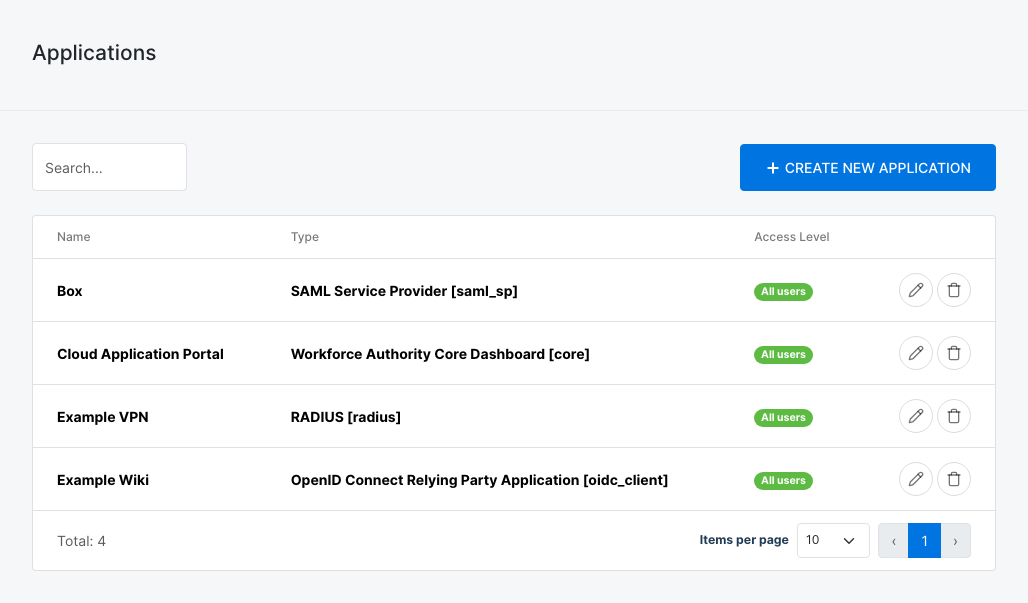
Log in to Workforce Authority with an administrative account and go to Applications.
-
Click Create New Application.
-
In the New Application form, on the General tab, set the following configurations:
Name Set the name of the application. This is the name to display for push notifications, in the Admin panel, Application portal, and audit logs. For example, HashiCorp Cloud-OIDC. Type Set to OAuth/OIDC Application. Template Set to OpenID Connect Relying Party Application [oidc_client]. Out of Band Methods Select the allowed methods end users can choose to approve MFA requests. For example, Workforce Authority Mobile app (push notifications), SMS, or Security Key. Message for MFA Requests Optional. Type a message displayed to end users when sending an MFA request via push notification, SMS, or email. 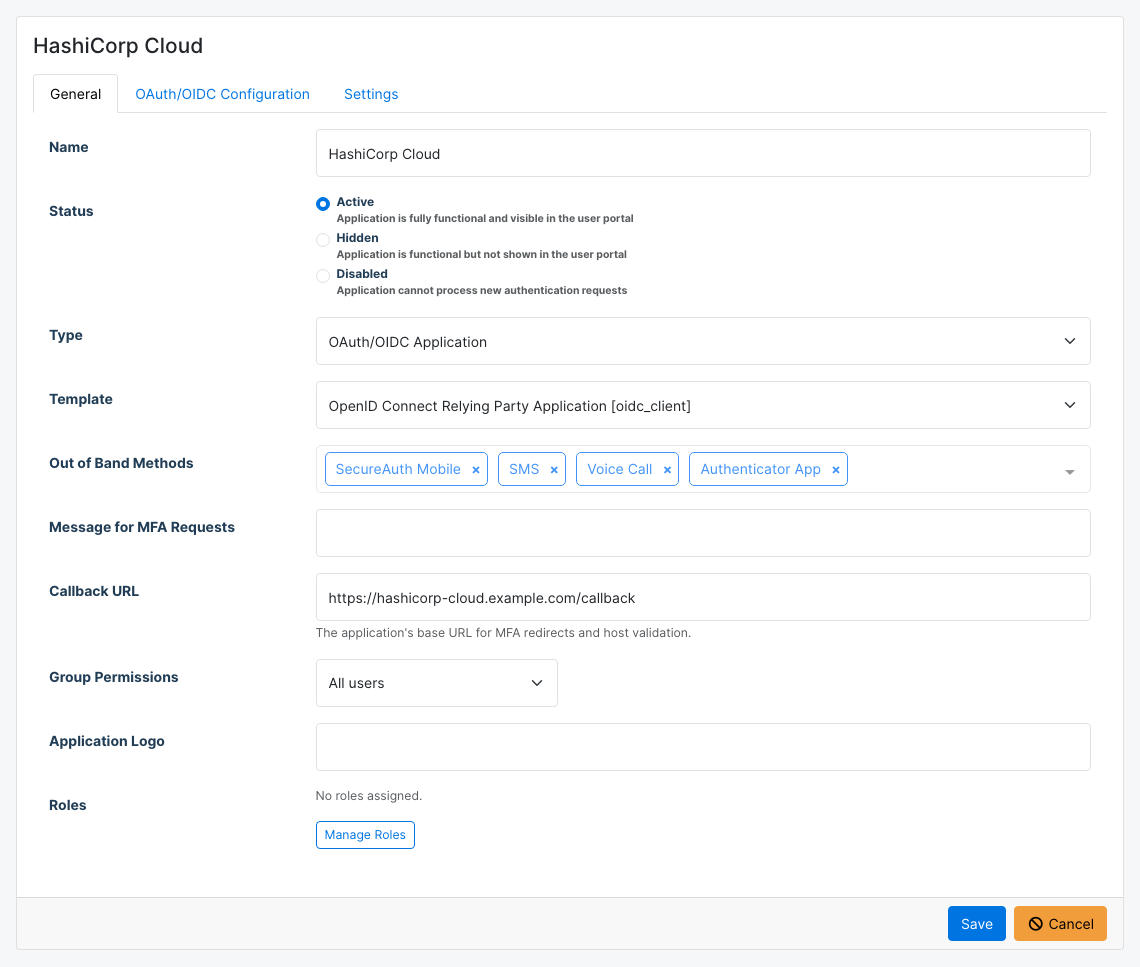
-
Select the OAuth/OIDC Configuration tab, and set the following configurations:
Login Login URL Optional. Enter the login URL for your HashiCorp Cloud instance. Redirect URLs Enter the redirect URL (Redirect_uri) that Workforce Authority will use to send back the authorization code. You can register more than one redirect URL (Redirect_uri). For example, https://{your-tenant-URL}.HashiCorp Cloud.com/login/callbackOIDC Provider Configuration OIDC Provider URL Copy this URL for HashiCorp Cloud configuration. Client Settings Application Type Set to Web application. Grant Type Set to Authorization code – User logs in to the application, then the application redirects the flow to Workforce Authority for authentication. After authentication, Workforce Authority returns an authorization code to the application, then exchanges the code for an access token and an identity token. Authentication Method Set to Post – Authenticates using the HTTP POST method, also known as the forms post response mode. Scopes and Claims Scopes Select the following scopes: Session Access Token Timeout Set how long the access token is valid for before it times out. By default this set to 1 minute. Refresh Token Timeout Set how long the refresh token is valid for before it times out and requires the user to reauthenticate. By default this is set to 1 day. 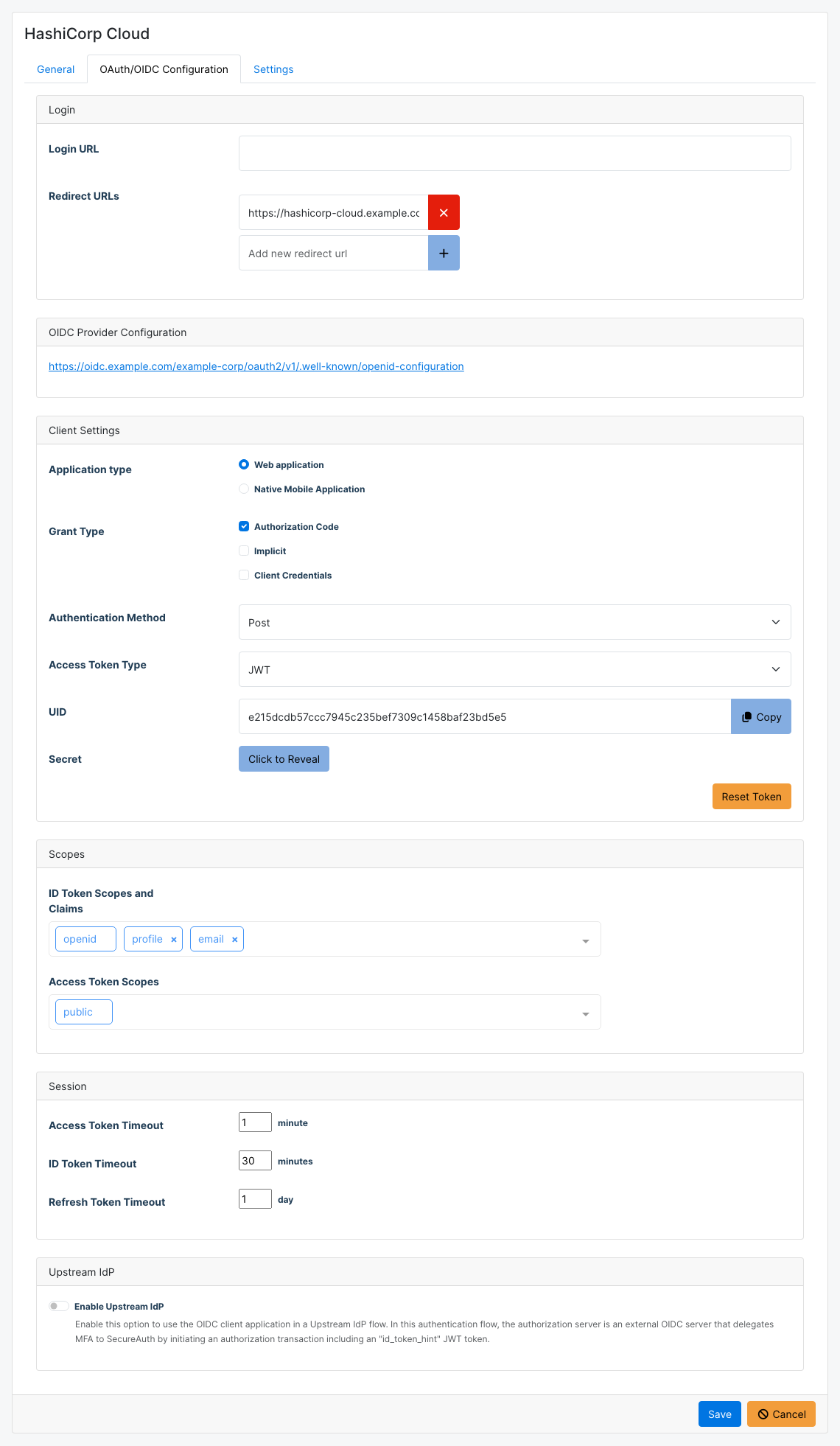
-
Save your changes.
-
Edit the configured OIDC application and select the OAuth/OIDC Configuration tab.
-
Copy the UID and Secret values.
You will need these for the HashiCorp Cloud configuration.
HashiCorp Cloud configuration
In this section, you will configure the HashiCorp Cloud application that supports OIDC.
-
Log in to HashiCorp Cloud and go to Organization settings.
-
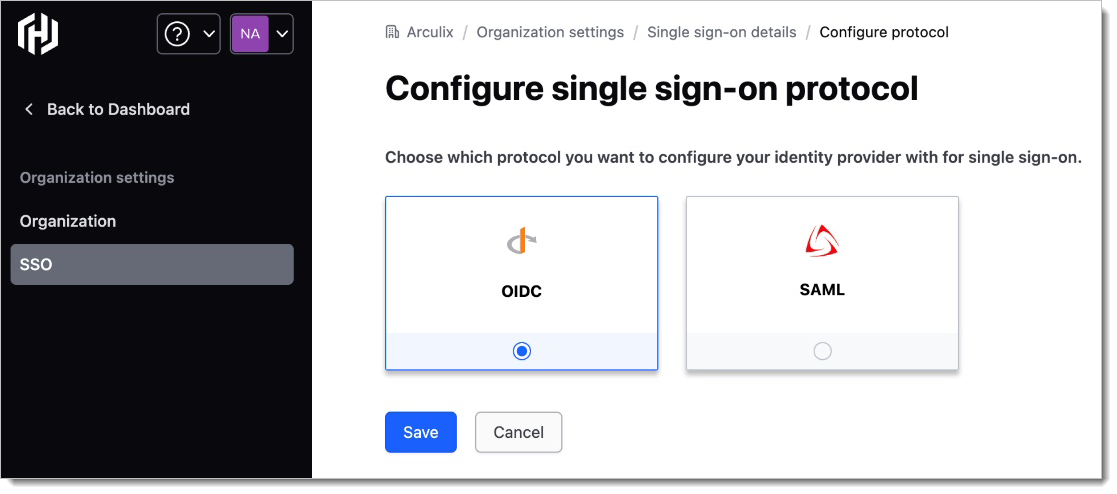
From the left navigation, select SSO and then select the OIDC category.
-
Save your changes.
-
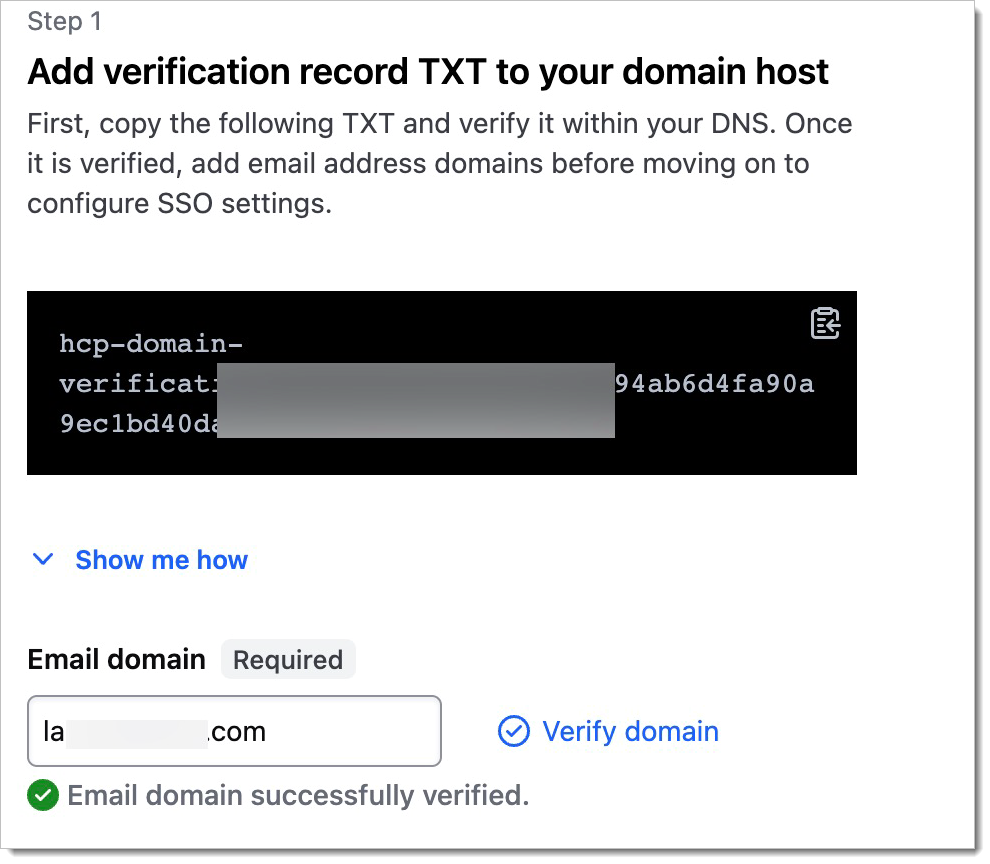
The Add verification record TXT to your domain host page appears. Do the following:
-
Use the verification record from HashiCorp to create a DNS TXT record for your domain.
For more information on DNS TXT records, see How to create a DNS TXT record
-
In the Email domain section, enter your organization's domain and click Verify domain.
-
-
In the Configure your OIDC SSO client section, set the following:
Client ID Enter the UID you copied earlier in Workforce Authority. Client secret Enter the Secret you copied earlier in Workforce Authority. Issuer URL Enter the OIDC Provider URL you copied earlier in Workforce Authority. Allowed Callback URL Copy this URL. Return to your HashiCorp Cloud OIDC application in Workforce Authority and enter it as a Redirect URL. 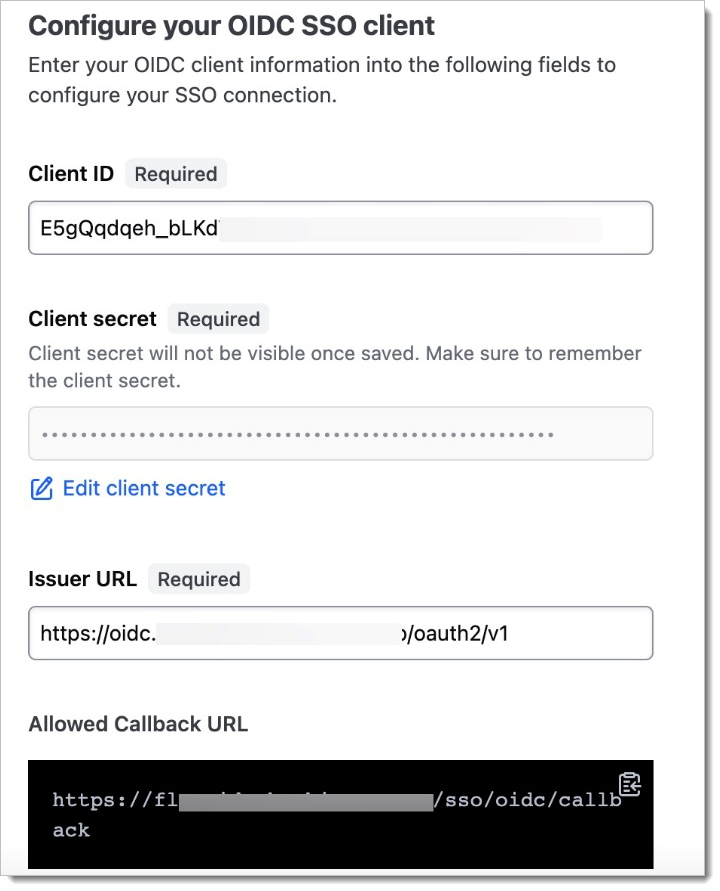
-
Click Save.
Test your OIDC application integration
-
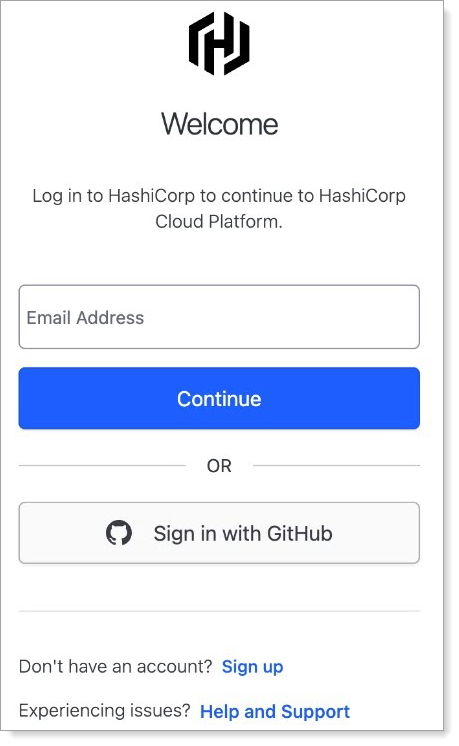
Go to the login URL for your HashiCorp Cloud application. Click Continue with Workforce Authority.
-
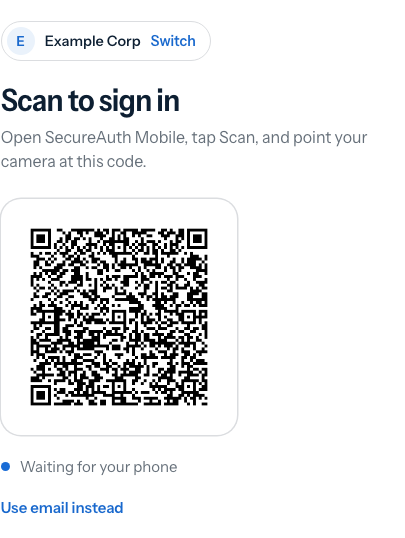
You will be redirected to the Workforce Authority SSO page.
-
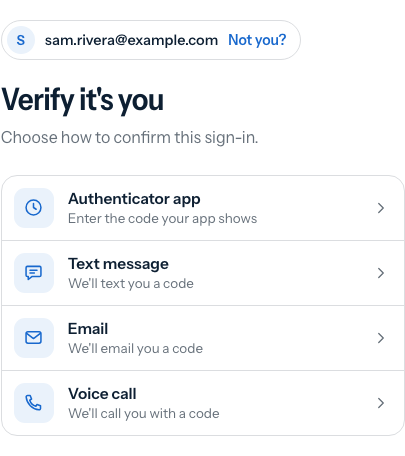
After successful authentication, select your preferred MFA method to approve access to the HashiCorp Cloud application.
-
Finally, you'll be redirected to the HashiCorp Cloud application home page.
Support
If you have questions or need assistance, contact SecureAuth Support.
Sales
Want to learn more about our MFA solutions? Contact our Professional Services for a demo today.
Disclaimer
All product names, trademarks, and registered trademarks are the property of their respective owners.
All company, product, and service names used in this document are for identification purposes only. The use of these names, trademarks, and brands do not constitute an endorsement by the SecureAuth Corporation.
Microsoft and Active Directory are either registered trademarks or trademarks of Microsoft and/or one or more of its subsidiaries in the United States and/or other countries.